Water Damage Restoration Germantown, MD
24/7 water damage restoration in Germantown, MD. The restoration team pumps out flooded basements, dries walls, floors and framing to the IICRC S500 standard and documents every step for your insurance claim.
(888) 535-8182Basement taking on water? Call nowKingsview Village, Clopper's Mill, Gunners Lake, Middlebrook and the Town Center, ZIP 20874, 20875 and 20876.
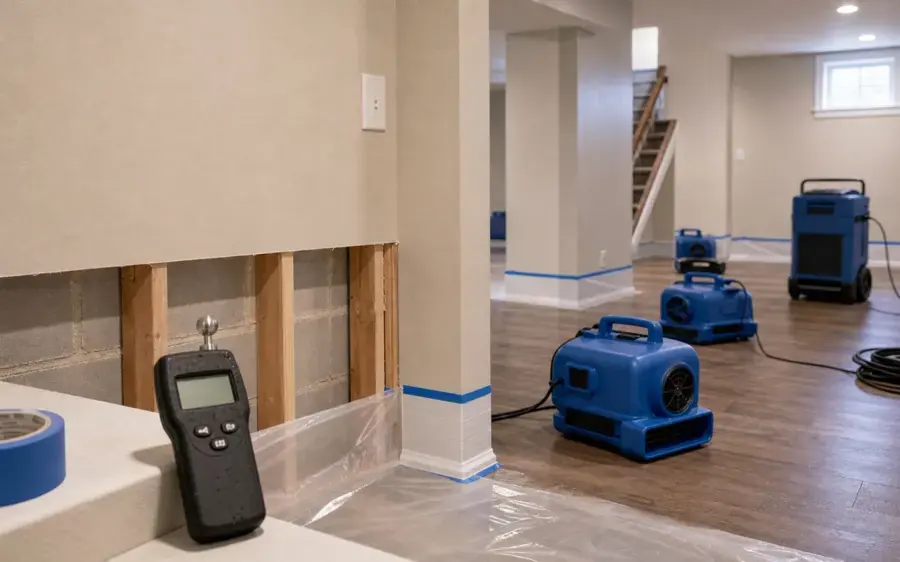
Water Damage Restoration Services in Germantown, MD
Twelve water problems, each with its own drying plan. Most Germantown losses start below grade: a sump pit that overflows, groundwater after a long rain, or a pipe that split in a January freeze.
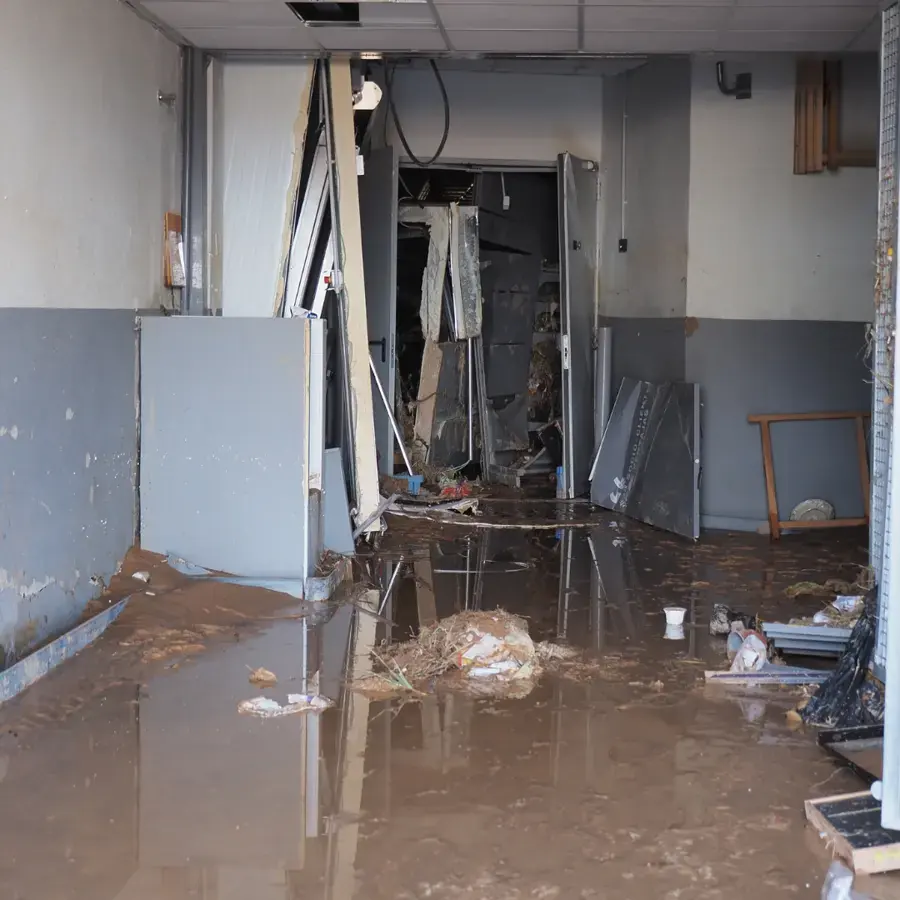
Basement Flooding Cleanup
Storm water, window well overflow and groundwater pulled out of finished basements before carpet and drywall wick it up.
Basement Flooding Cleanup details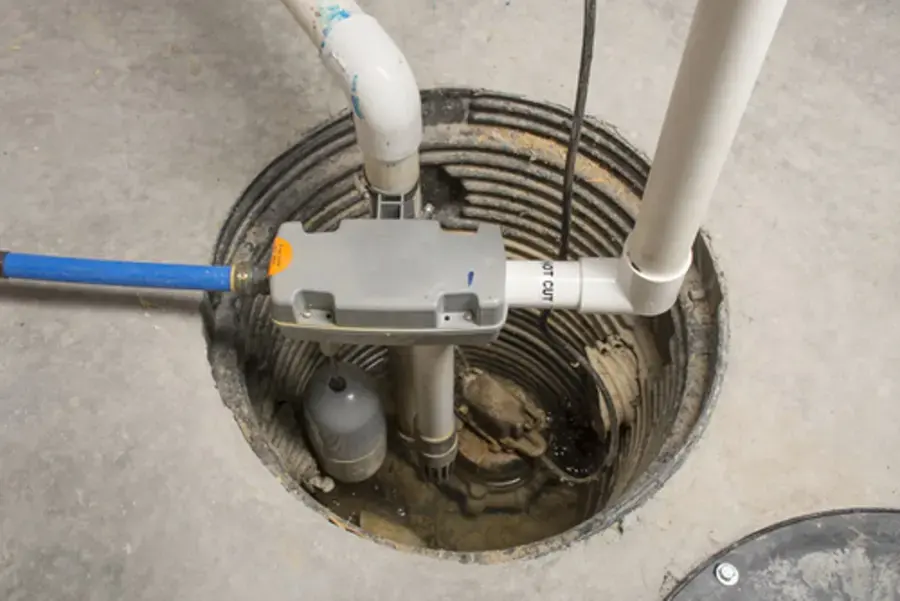
Sump Pump Failure Water Damage
Burned-out motors, stuck floats and storm power outages, with the pit pumped down and the basement dried to a reading.
Sump Pump Failure Water Damage details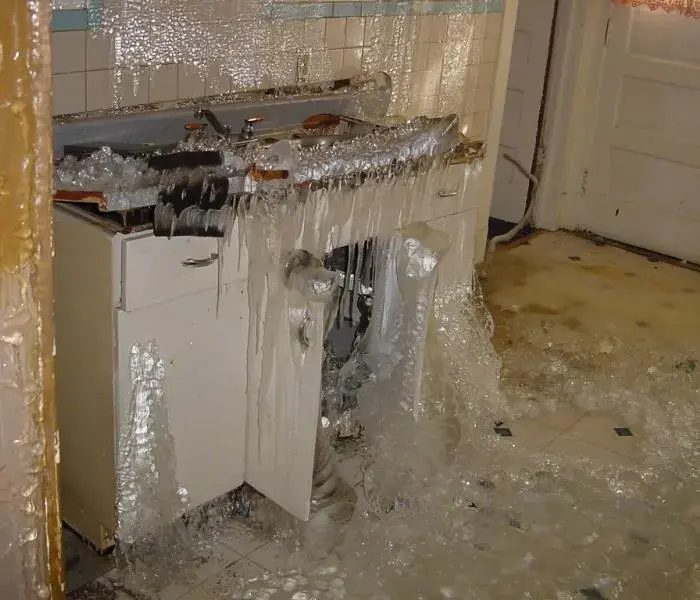
Frozen Pipe Water Damage
Pipes that split in outside walls, garages and over unheated spaces, traced and dried once the thaw starts the leak.
Frozen Pipe Water Damage details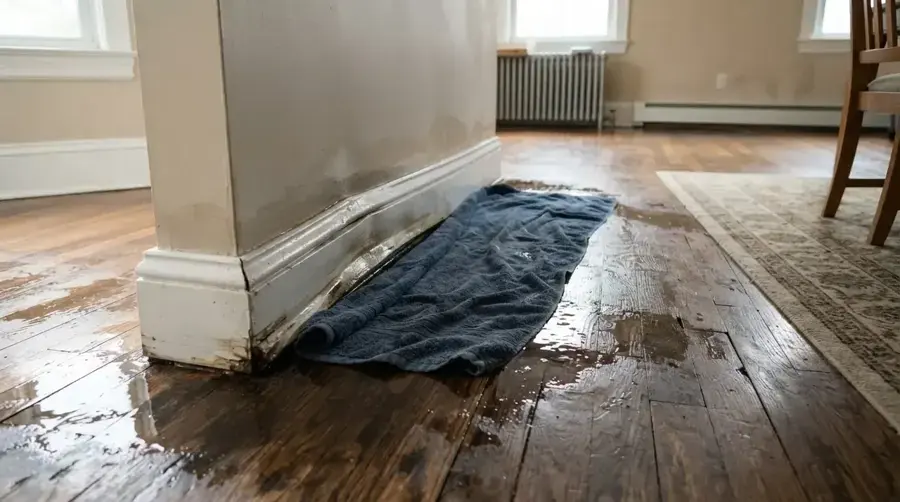
Burst Pipe Water Damage
Worn copper, failed fittings and old plastic supply pipe that let go without warning, opened only where the meters say.
Burst Pipe Water Damage details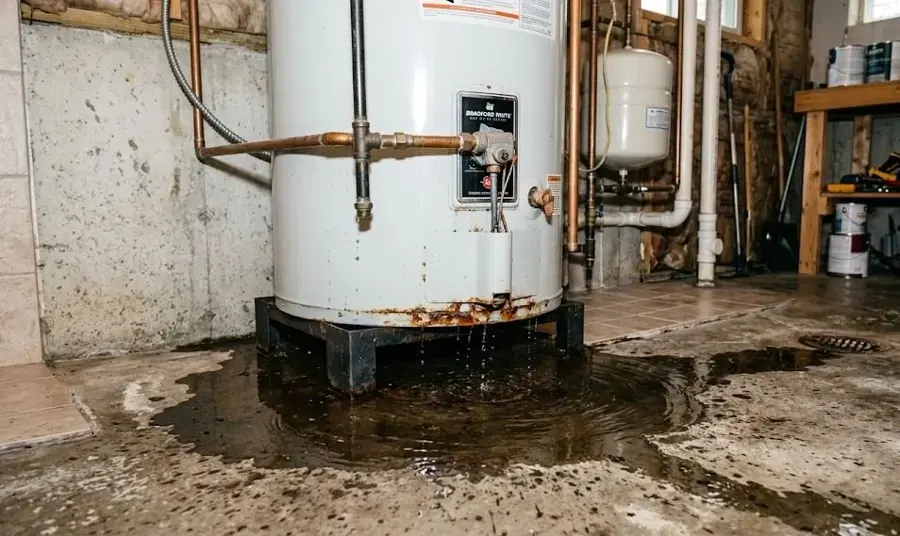
Water Heater Leak Cleanup
Basement and utility closet tanks that rust through, extracted before the storage boxes and finished walls soak it up.
Water Heater Leak Cleanup details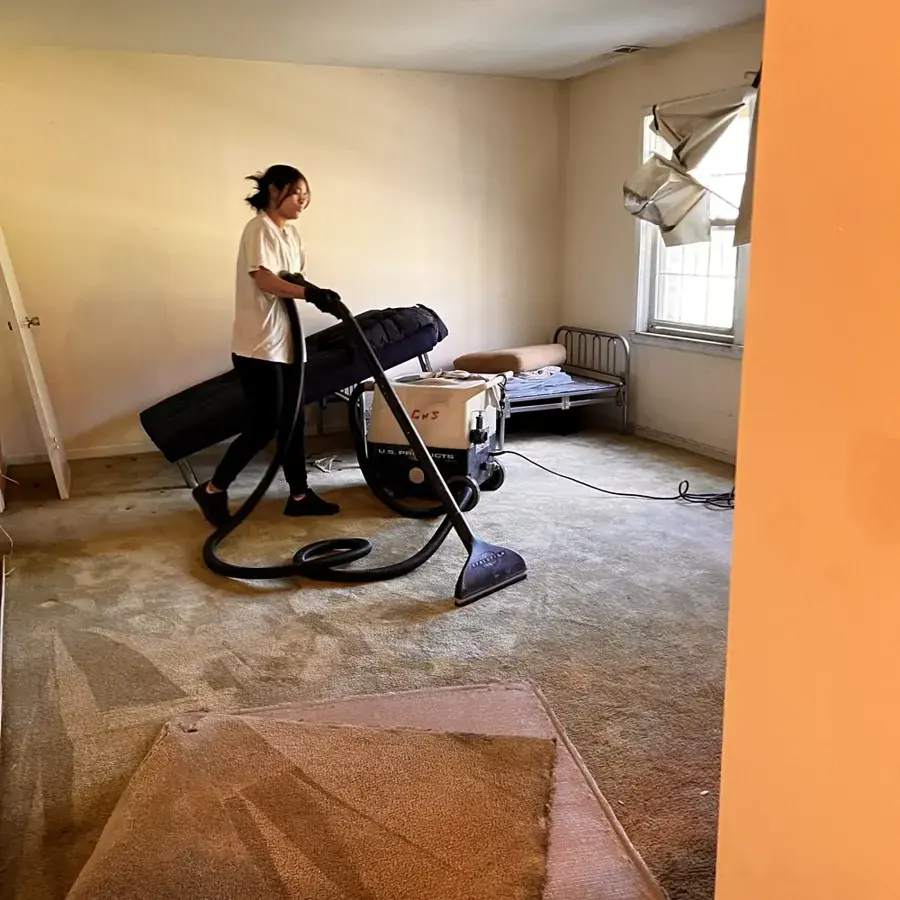
Water Extraction and Removal
Truck-mounted and portable extraction that pulls standing water off carpet, pad and basement concrete.
Water Extraction and Removal details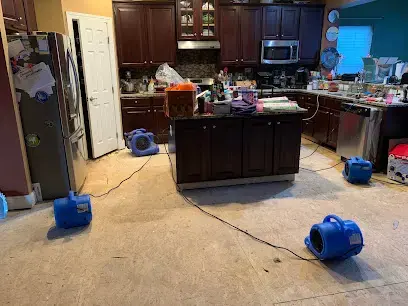
Appliance and Supply Hose Leaks
Washer hoses, dishwashers, ice maker tubing and toilet supplies that soak cabinets and the ceiling below.
Appliance and Supply Hose Leaks details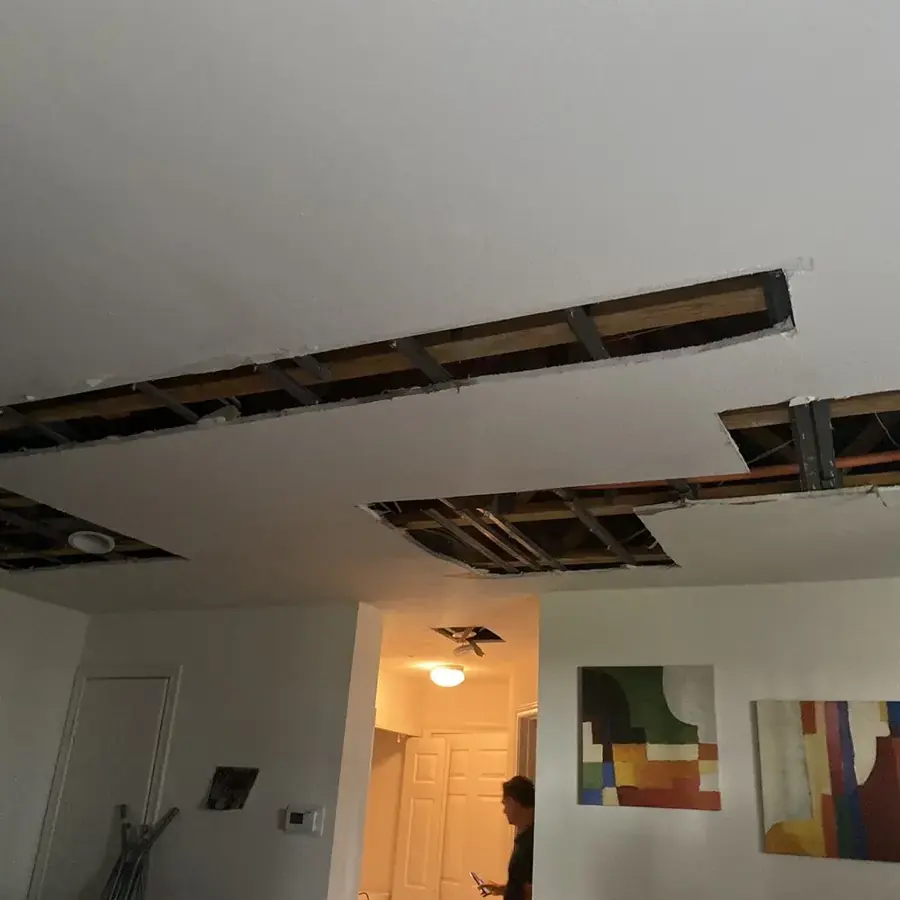
Ceiling Leak Water Damage
Water from an upstairs bathroom or a condo unit above, with sagging drywall opened safely and joist bays dried.
Ceiling Leak Water Damage details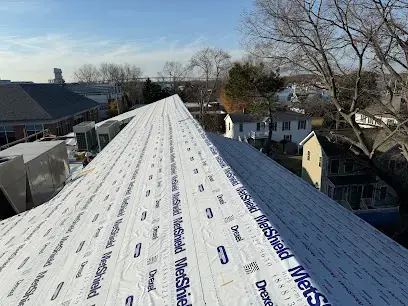
Roof Leak and Ice Dam Water Damage
Ice dams and wind-driven nor'easter rain past shingles and flashing into attic insulation and ceilings.
Roof Leak and Ice Dam Water Damage details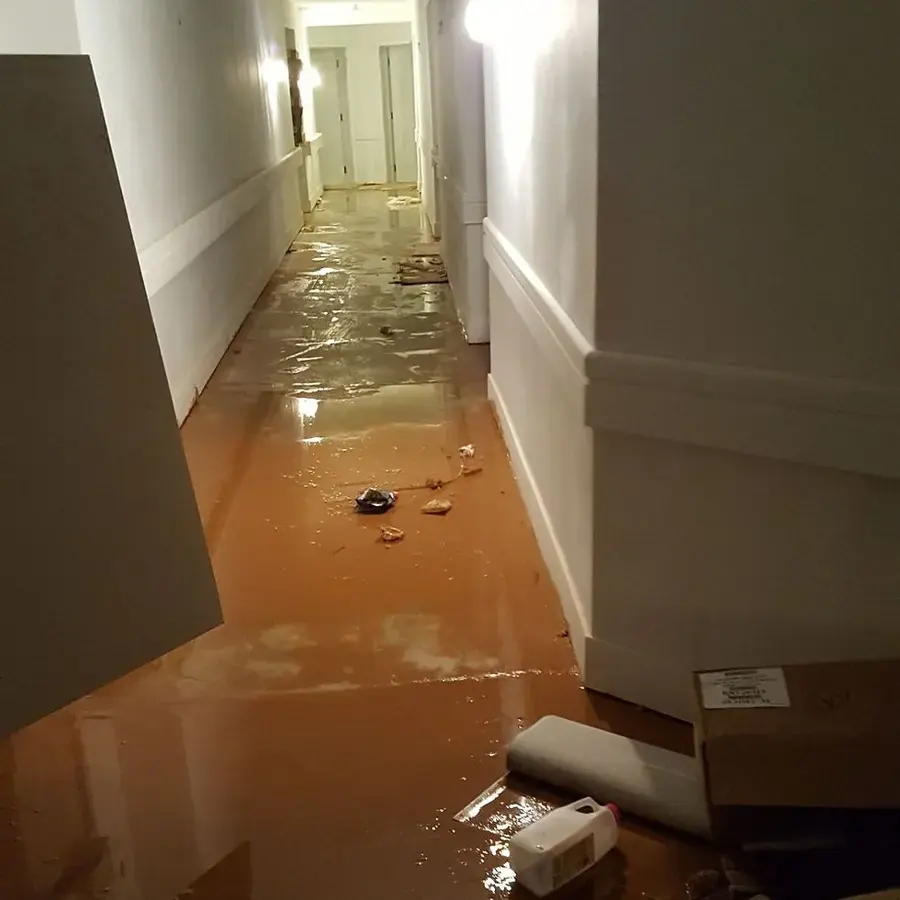
Storm and Flash Flood Cleanup
Creek overflow and flash flood water from summer cloudbursts and tropical remnants, handled as Category 3.
Storm and Flash Flood Cleanup details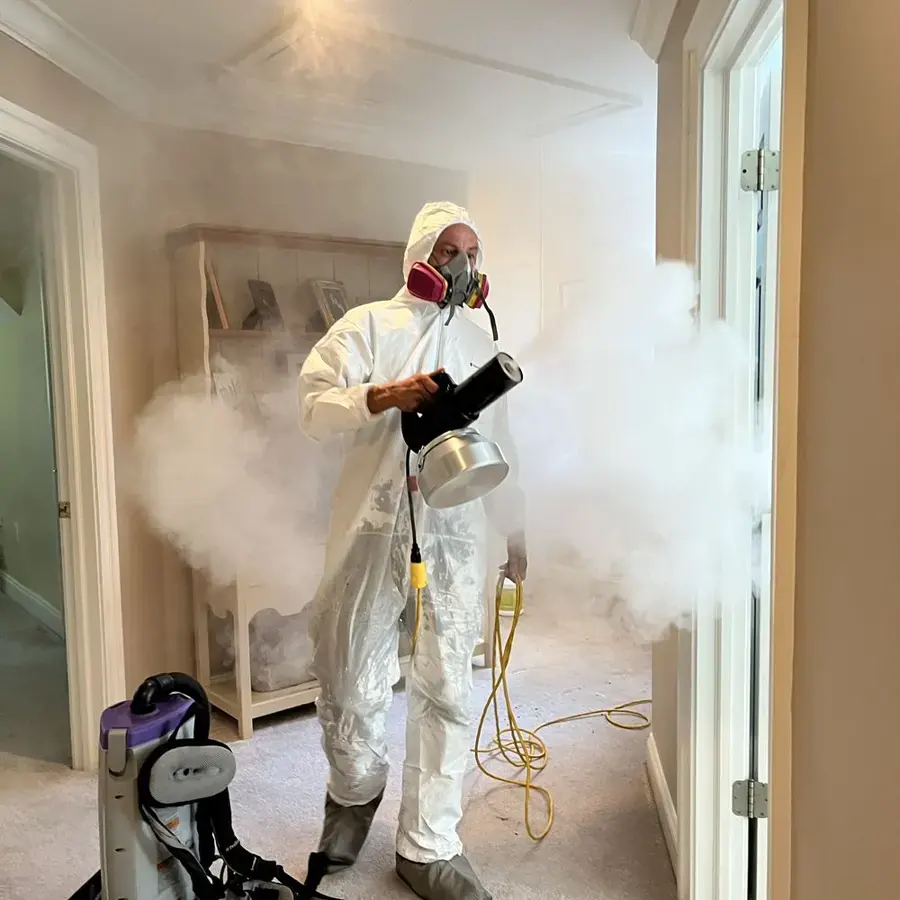
Sewage Backup Cleanup
Floor drain and basement toilet backups contained, porous materials removed and every surface treated.
Sewage Backup Cleanup details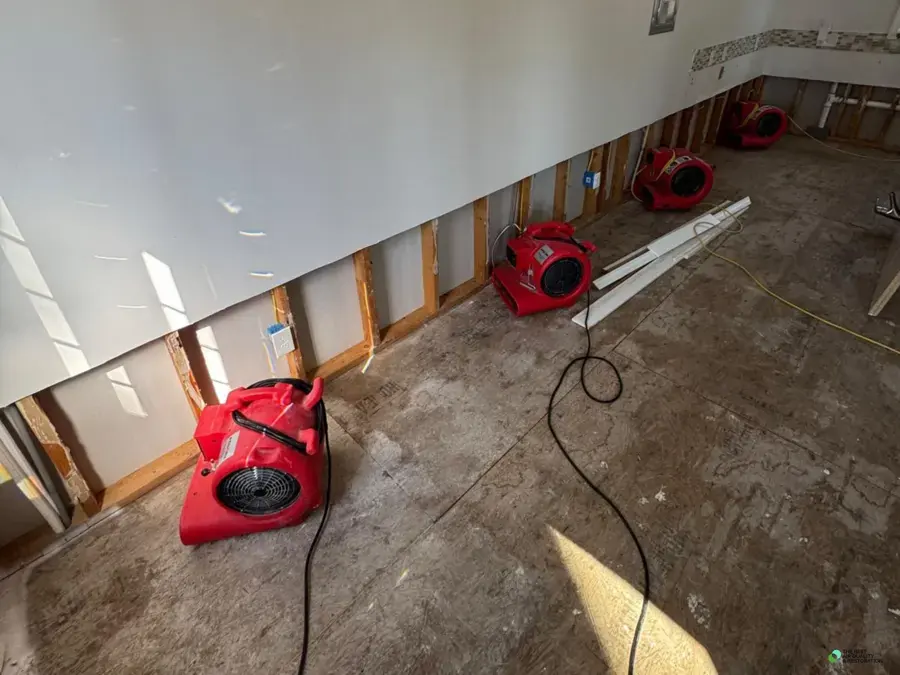
Structural Drying and Dehumidification
Framing, subfloor, block walls and cabinets dried with LGR dehumidifiers and air movers until the readings match dry.
Structural Drying and Dehumidification detailsHow a water loss is handled in Germantown
The tech who does the walkthrough maps moisture before any equipment goes down. In a Germantown basement that means reading the block or poured walls, the bottom plates behind finished drywall and the carpet pad, because water travels under flooring and up into walls well past the wet spot you can see.
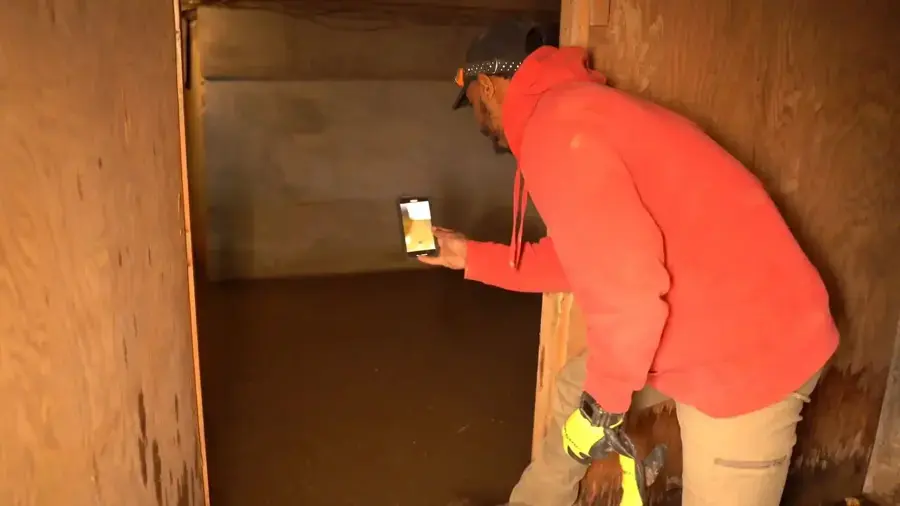
Rapid local response
Dispatch runs 24/7 across Germantown, and a call about active water is treated as urgent at any hour, holidays and storm nights included.
IICRC S500 drying standard
The drying team sizes equipment to the class of loss and leaves it running until the readings say dry, not until the carpet feels dry.
Claim-ready documentation
Moisture maps, daily psychrometric logs and timestamped photos taken before any demolition go into one file for the adjuster.
Basement and freeze know-how
Sump pits, finished basements, townhome party walls and pipes in outside walls are the usual trouble spots, so the plan starts there.
What to do while the water is still moving
- 1
Stop the source
Close the main shutoff, usually where the supply pipe enters the basement near the water meter. For a tank leak, close the cold valve on top of the water heater.
- 2
Stay safe below grade
Keep out of standing water near outlets, the furnace or a power strip. If water is near the electrical panel, leave the basement and wait for help.
- 3
Check the sump pit
If the pump hums but the pit keeps rising, the float or motor has failed. A wet-dry vacuum only buys time; the pit needs a working pump.
- 4
Photograph and lift
Take photos before anything moves, then lift boxes, rugs and furniture legs off the wet floor so they stop wicking water.
All water damage categories covered in Germantown, MD
Clean water
Category 1 comes from a supply source: a burst or frozen pipe, a water heater, a supply hose. Caught early, most of it can be dried in place.
Frozen pipe water damageGray water
Category 2 carries contaminants: a washer discharge, a dishwasher, or sump water that picked up soil on its way in. Wet pad usually comes out.
Sump pump failure water damageBlack water
Category 3 is grossly contaminated: a floor drain sewer backup or creek water that came in from outside. Porous materials it touched are removed, not dried.
Sewage backup cleanupWhat does water damage restoration cost in Germantown, MD?
Most Germantown water damage jobs land between about $1,500 and $9,500 for mitigation; Category 3 losses such as a sewage backup in a finished basement run higher. The category of water, square footage, material class and how fast drying started set the number.
Small clean-water leak
Finished basement flooding
Frozen pipe over a ceiling
Sewage or flood water
Ranges are typical, not a quote. The category of water, square footage, material class and how fast drying started move the number most. The water damage cost calculator gives a closer range for your home.
Water damage dried to the IICRC S500 standard
The IICRC S500 is the industry standard for professional water damage restoration. The drying team follows it from the first reading to the last: structural drying, not just surface drying, with equipment that stays until wet materials read within 2 to 4 points of a dry reference.
- 1
Inspect and map
Pinless meters and a thermal camera trace how far water traveled under flooring, into bottom plates and up basement walls.
- 2
Extract
Truck-mounted and portable units pull standing water from carpet, pad and concrete, the fastest way to cut drying time.
- 3
Remove what cannot dry
Wet pad, swollen trim and drywall that wicked water come out where readings call for it, with photos first.
- 4
Dry and dehumidify
Air movers set to the room's evaporation load and LGR dehumidifiers run around the clock; desiccants handle dense Class 4 materials.
- 5
Verify and document
Daily readings are logged until every material matches the dry reference, then the file goes to the adjuster.
Documentation for your insurance claim
Adjusters decide claims on evidence. The restoration contractor who responds builds a claim file from the first walkthrough, so the record of what got wet, and why it was removed, is complete.
What the claim file carries
- A moisture map of every wet room, including the rooms beside the source
- Daily psychrometric logs: temperature, humidity and material readings
- Timestamped photos taken before any demolition or removal
- The water category and drying class, with the reason for each removal
- A line-item scope of extraction, equipment days and materials removed
What a policy usually covers
Most homeowners policies treat sudden and accidental water, such as a burst pipe or a failed water heater, differently from flooding that comes in from outside. Flood water is usually covered only by a separate flood policy, and sump pump or sewer backup damage often needs a water backup endorsement.
Coverage depends on your policy, so check with your own insurer. The Maryland Insurance Administration explains how homeowners claims work in the state and how to file a complaint about one.
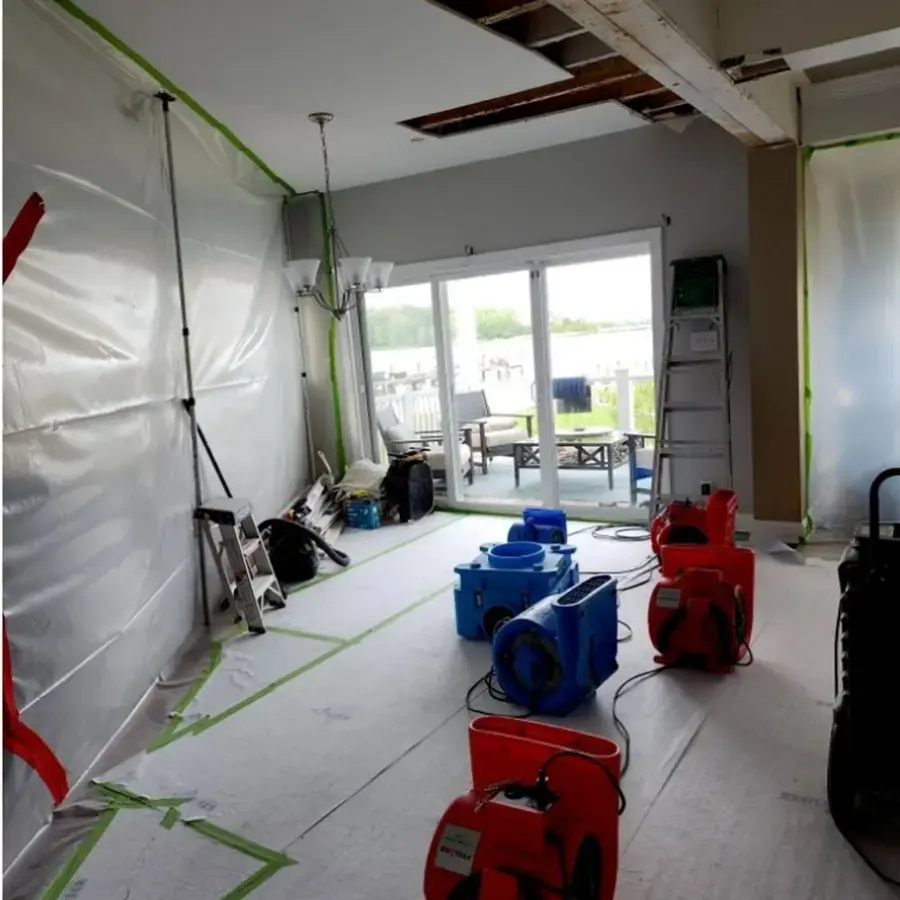
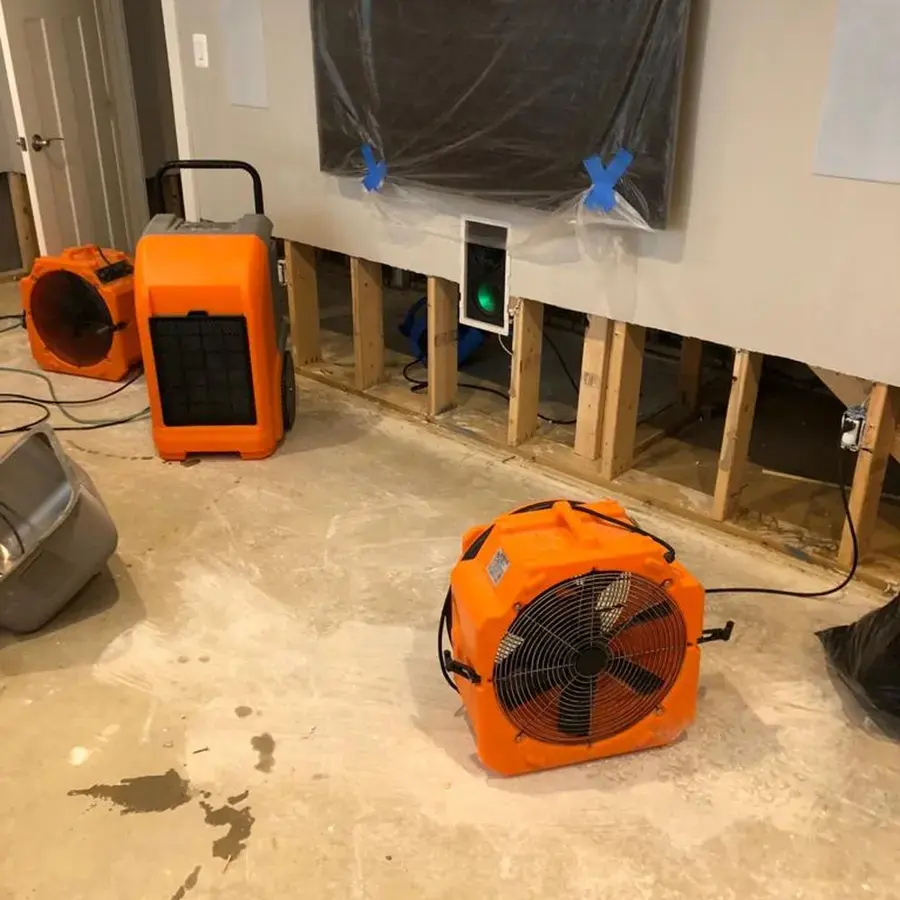
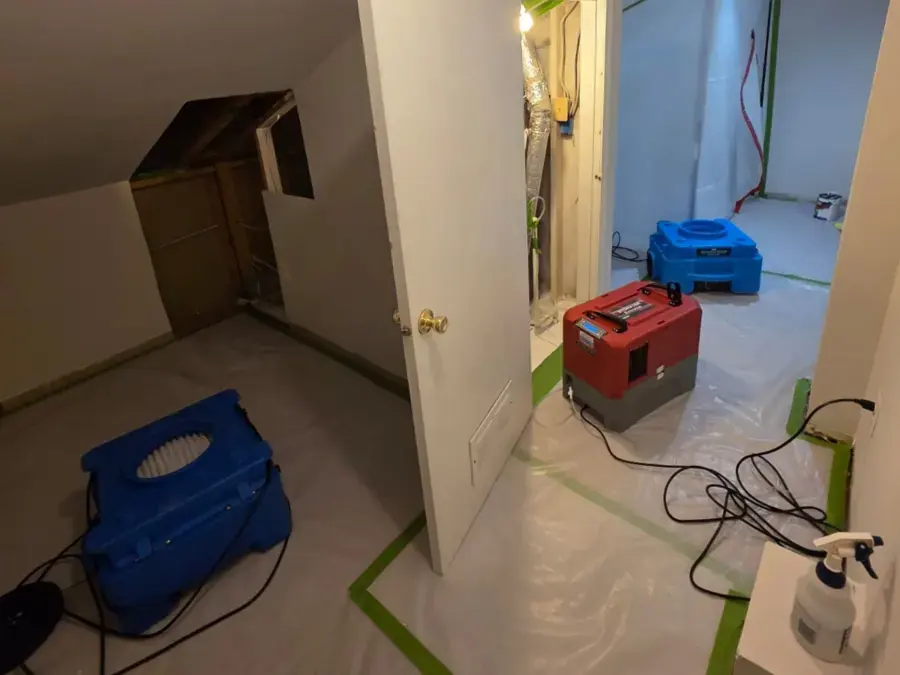
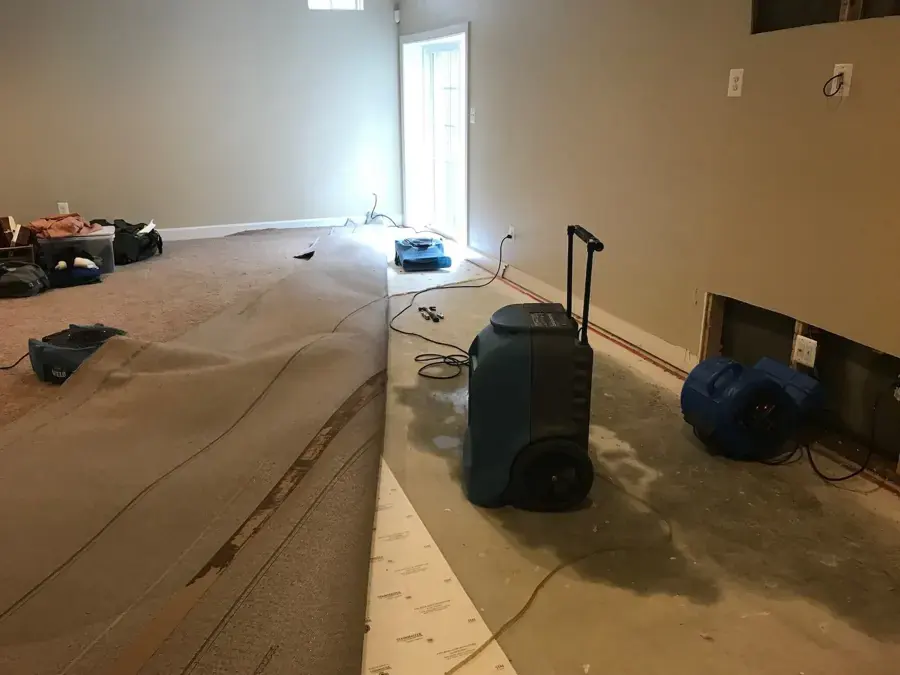
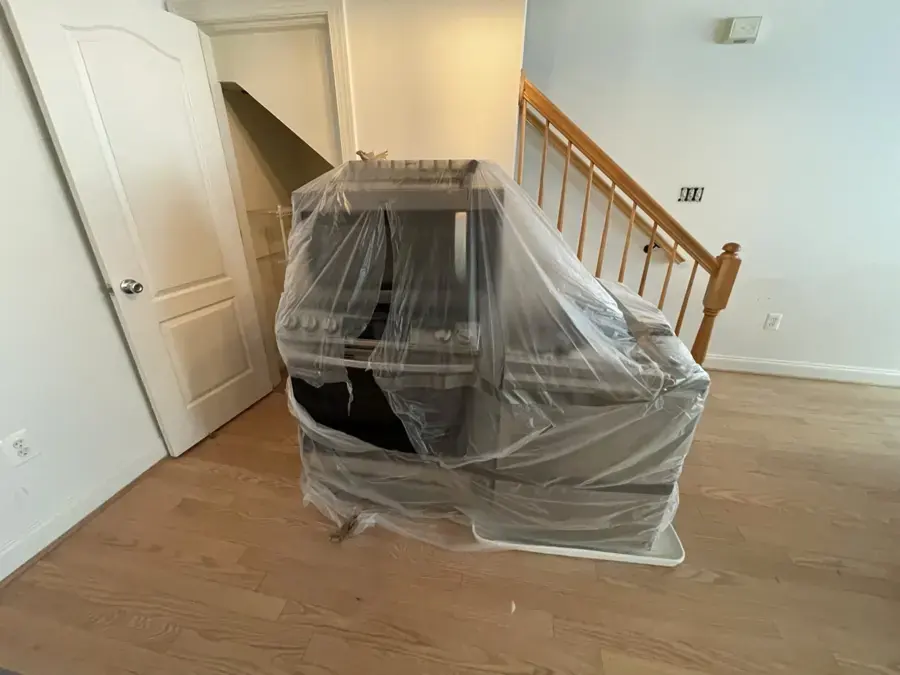
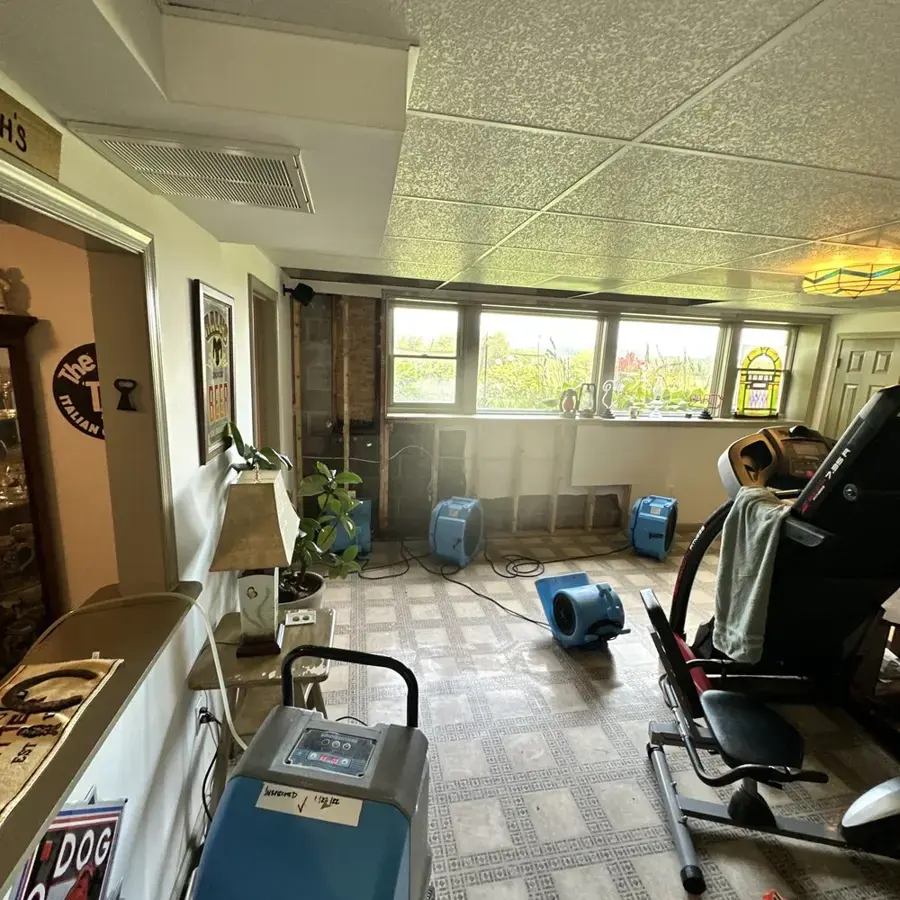
What a water damage dry-out looks like in Germantown
Water damage restoration across Germantown and nearby towns
Germantown villages and corridors
ZIP codes
Nearby towns
One call reaches Germantown water damage pros, 24/7
Describe what is wet and where the water came from. A restoration company in Germantown dispatches the extraction crew, maps the moisture and starts the dry-out, day or night.
(888) 535-8182Get a Germantown restoration pro on the phoneGermantown, MD · [email protected]
Find us on GoogleWhy Germantown homes take on water
Germantown is a city of basements and townhomes on Piedmont clay, between Great Seneca and Little Seneca creeks, with cold winters and wet springs. Those conditions explain most of the calls.

September 2021: The remnants of Hurricane Ida dropped heavy rain across Montgomery County in a few hours. Creeks rose fast, low roads flooded and basements across the county took on water.
Basements on clay
Clay-rich Piedmont soil holds water against foundation walls after long rains, so groundwater seeps in at the cove joint and through cracks.
Sump pumps under load
Spring rain and snowmelt keep pits cycling for days, and a storm that knocks out power stops a pump with no battery backup.
January freezes
Arctic cold snaps split pipes in outside walls, garages and over unheated spaces, and the leak starts when the ice thaws.
Townhome party walls
Rows of townhouses and stacked condos share walls and ceilings, so water from one unit can show up next door or below.
Nor'easters and ice dams
Heavy wet snow and wind-driven rain push water under shingles and past flashing into attic insulation and ceilings.
Aging supply plumbing
Homes from the late 1970s through the 1990s are reaching the age when copper fittings, water heaters and washer hoses fail.
Water damage questions in Germantown, MD
How fast does someone respond to water damage in Germantown?
Dispatch runs 24/7, and active water is treated as urgent at any hour. Arrival time depends on the time of day and how many calls are open after a big storm, so call as soon as the water shows up.
What should I do first when the basement floods?
Stop the source if you can, stay away from water near outlets and the furnace, and lift what you can off the floor. Then call; the sooner extraction starts, the more carpet and drywall can be saved.
Will insurance pay for a flooded basement?
It depends on where the water came from. A burst pipe is usually treated as sudden and accidental, sump overflow and sewer backup often need a water backup endorsement, and outside flood water usually needs a flood policy. Check with your own insurer.
How long does it take to dry a finished basement?
Most finished basements dry in three to six days once wet pad and drywall are removed. Concrete, block walls and humid summer air can stretch that; the readings decide when drying is done.
What is the IICRC S500?
It is the industry standard for professional water damage restoration. It sets how water is categorized, how drying equipment is sized and how a dry material is confirmed with readings.
Does wet drywall in the basement have to come out?
Not always. Drywall that wicked clean water a short distance can often be dried in place. Drywall touched by sewage or creek water, and drywall with wet insulation behind it, usually comes out.
Why is a sewage backup handled differently?
Sewage is Category 3 water the moment it happens. The mitigation team sets up containment, wears protective gear, removes porous materials it touched and applies an EPA-registered antimicrobial before drying.
Is mitigation the same as repair?
No. Mitigation stops the damage: extraction, removal and drying. Repair is the rebuild afterward, such as new drywall, flooring and paint, and is usually a separate phase on the claim.
How soon can mold start after water damage?
Mold can begin to grow within 24 to 48 hours on wet materials, which is why extraction and drying start right away and readings continue until everything is dry.
How is the cost of water damage restoration figured?
Most contractors price from an itemized scope: extraction, equipment days, materials removed and antimicrobial where needed. The cost calculator shows typical Germantown ranges.
Water on the basement floor right now?
Shut off the water if it is safe, then call. Dispatch runs around the clock in Germantown.
Water damage in Germantown? Get the drying started.
Extraction, structural drying to the IICRC S500 standard and a claim-ready file, 24/7 across Germantown, Clarksburg, Boyds and Gaithersburg.
(888) 535-8182Start the Germantown dry-out now