Water Damage Help for Poolesville Homes
When water gets into a Poolesville house, the first hours decide how much drywall, flooring and framing can be saved. Crews extract standing water, map moisture and dry the structure until readings are normal.
(888) 535-8182Request a restoration crewPoolesville runs its own water and sewer, so a pipe broken inside a house is the owner's repair.
Water and sewage jobs in Poolesville homes
Every service below covers water or sewage only, from a single failed hose to a flooded lower level. Each page explains how that kind of loss is handled in Poolesville.
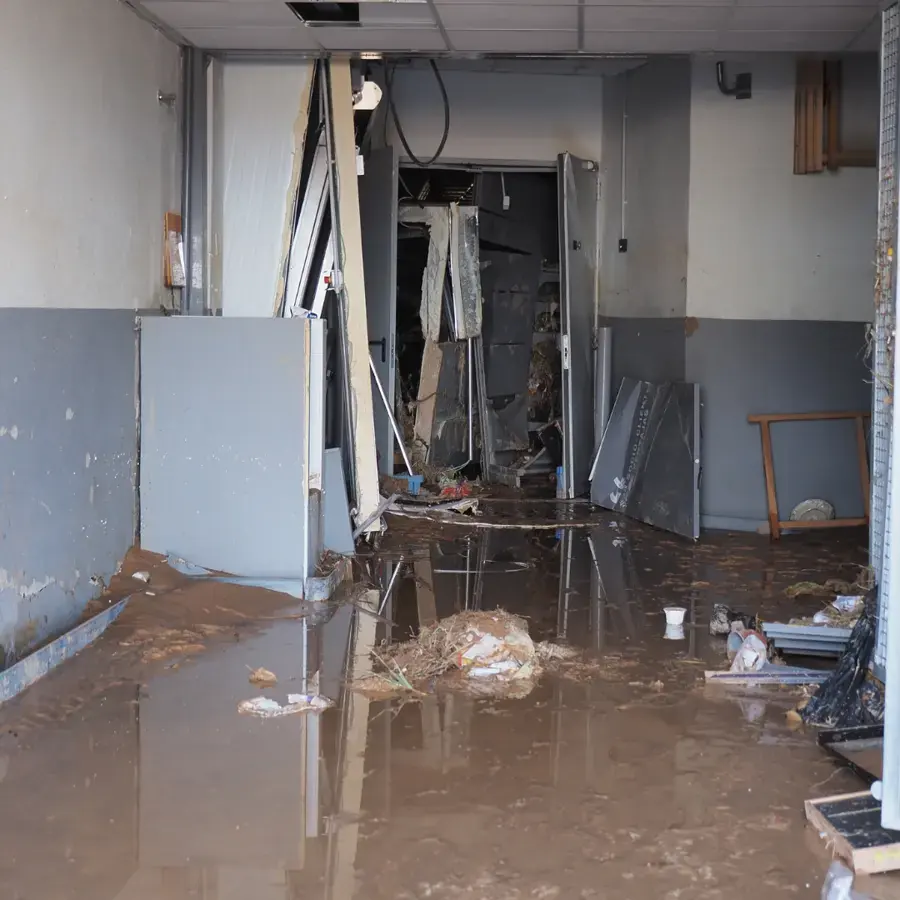
Basement Flooding Cleanup
Groundwater and creek runoff can push water through a basement floor or wall, leaving carpet, drywall and stored items wet.
Basement Flooding Cleanup details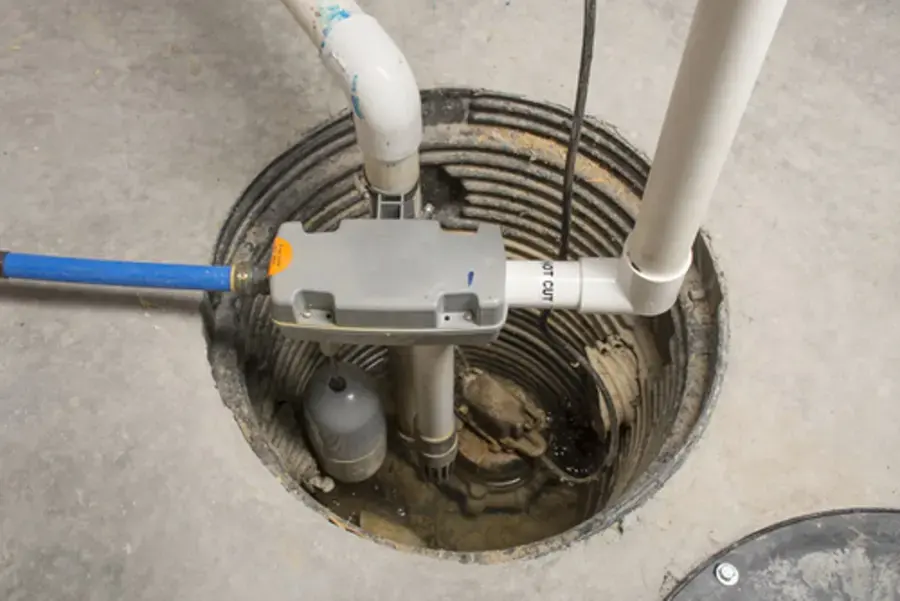
Sump Pump Failure Water Damage
When a sump pump quits during a storm or power outage, groundwater fills the pit and spreads outward.
Sump Pump Failure Water Damage details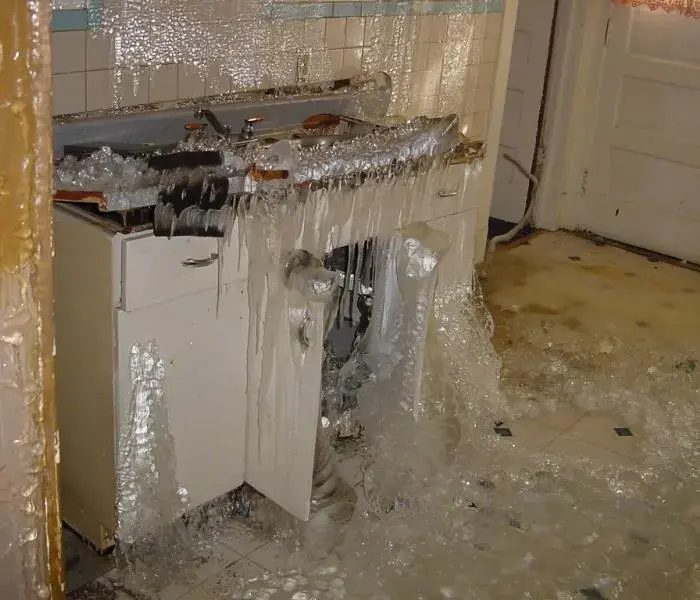
Frozen Pipe Water Damage
A pipe split inside an outside wall or garage often stays quiet until the thaw, when the water shows up.
Frozen Pipe Water Damage details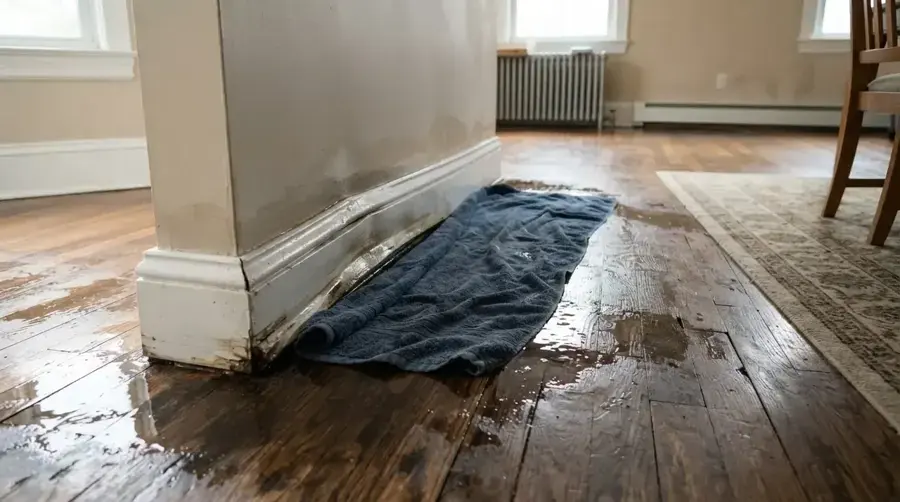
Burst Pipe Water Damage
A burst supply pipe can soak several rooms fast, and the drying crew works while a plumber repairs the break.
Burst Pipe Water Damage details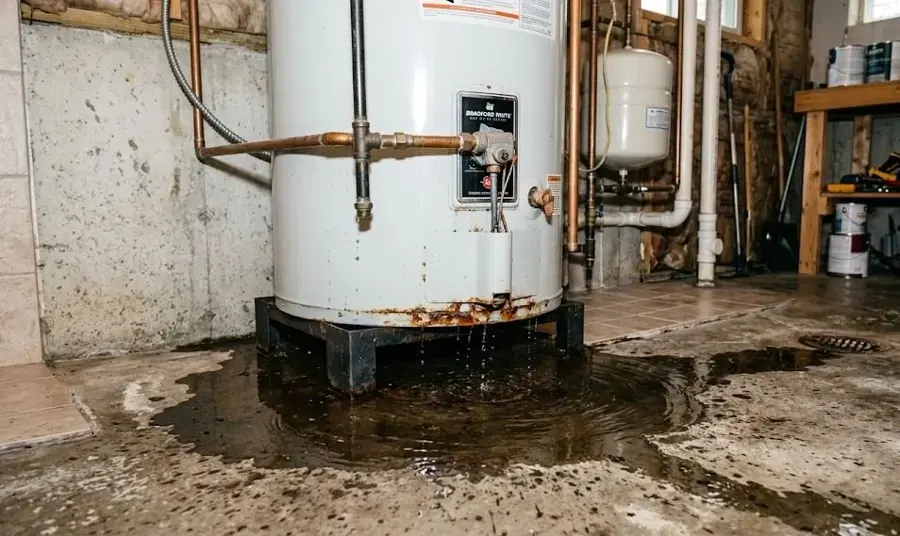
Water Heater Leak Cleanup
A rusted tank or failed fitting empties into the utility room, and water is pulled out before it wicks into walls.
Water Heater Leak Cleanup details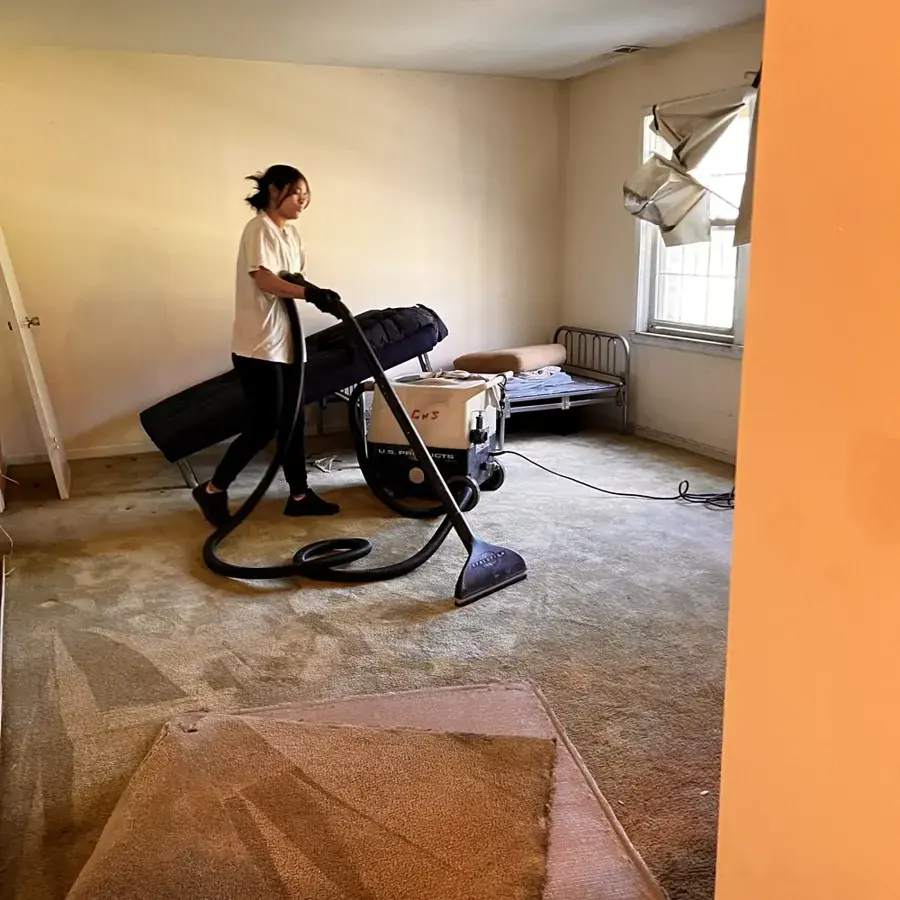
Water Extraction and Removal
Standing water inside a home is pumped out with truck mounted and portable extractors, whatever the source, so drying can start.
Water Extraction and Removal details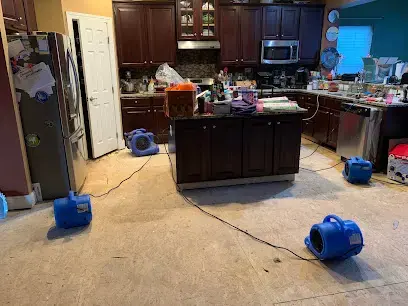
Appliance and Supply Hose Leaks
Dishwasher, washer and refrigerator supply leaks run slowly and hide behind cabinets, so moisture readings decide how far to open up.
Appliance and Supply Hose Leaks details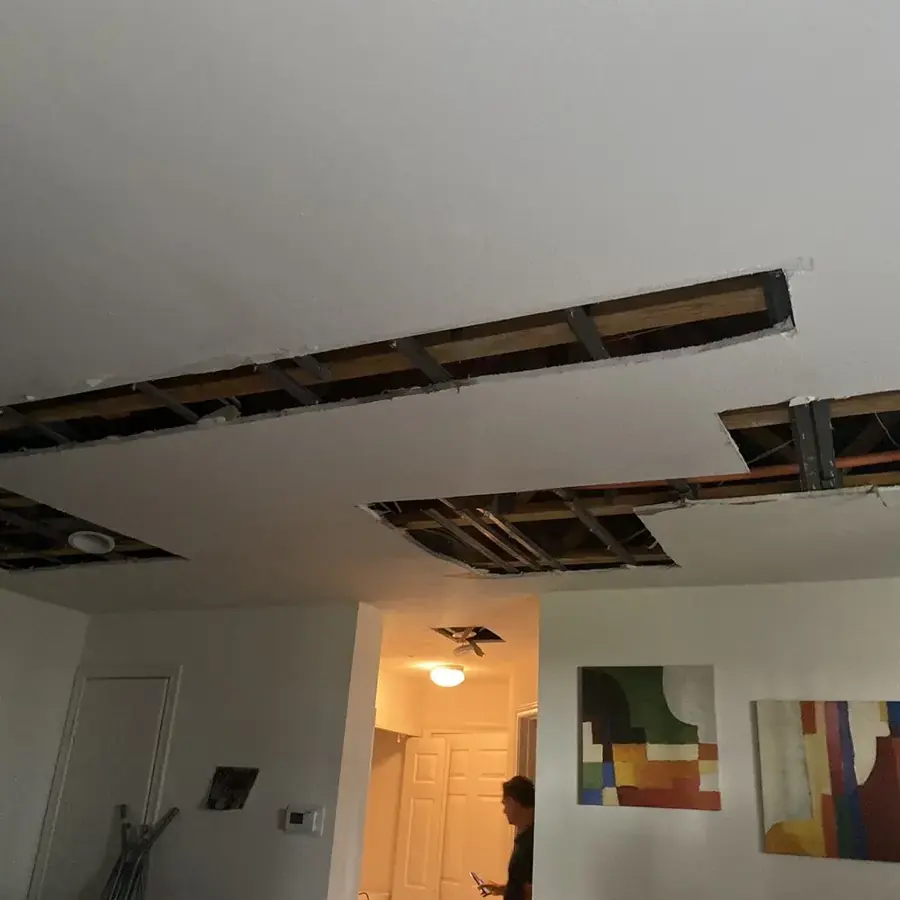
Ceiling Leak Water Damage
A ceiling stain starts above the drywall, so the supply pipe, drain or roof behind it is traced before drying begins.
Ceiling Leak Water Damage details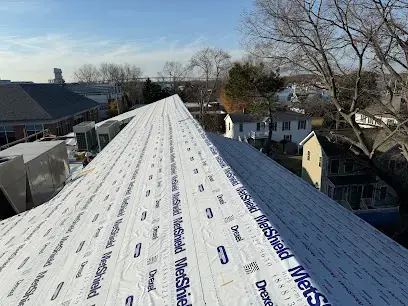
Roof Leak and Ice Dam Water Damage
Wind and fallen trees open roofs, and the rain that follows soaks insulation and ceilings below the damaged spot.
Roof Leak and Ice Dam Water Damage details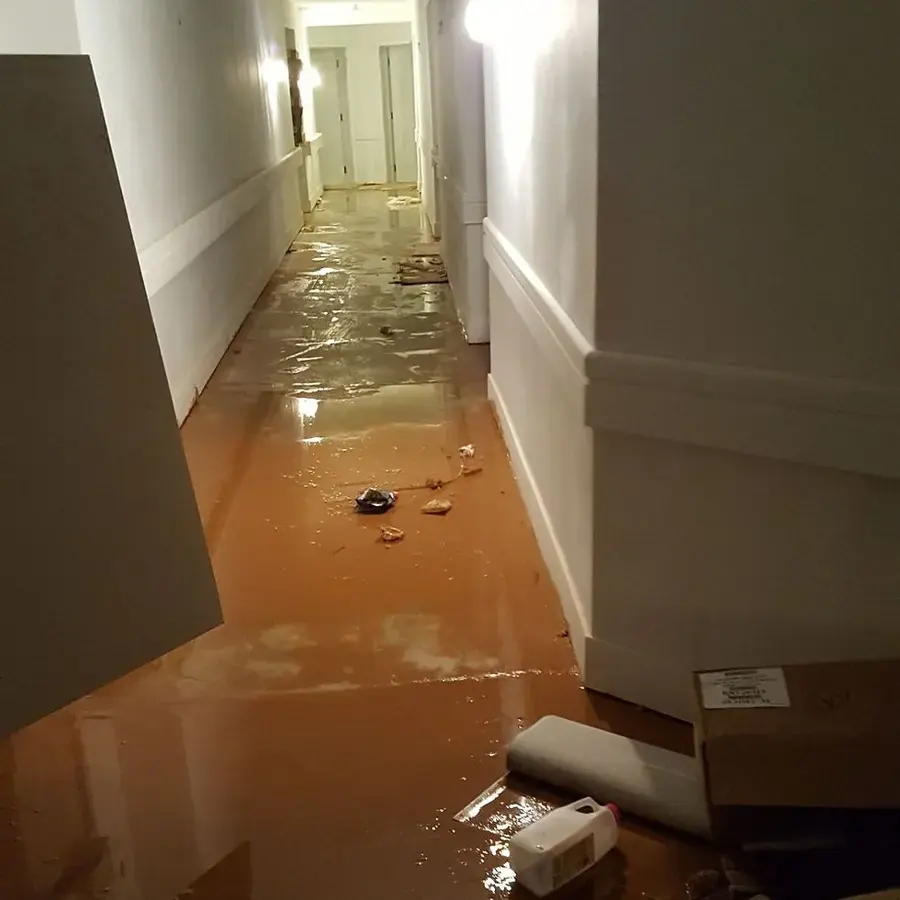
Storm and Flash Flood Cleanup
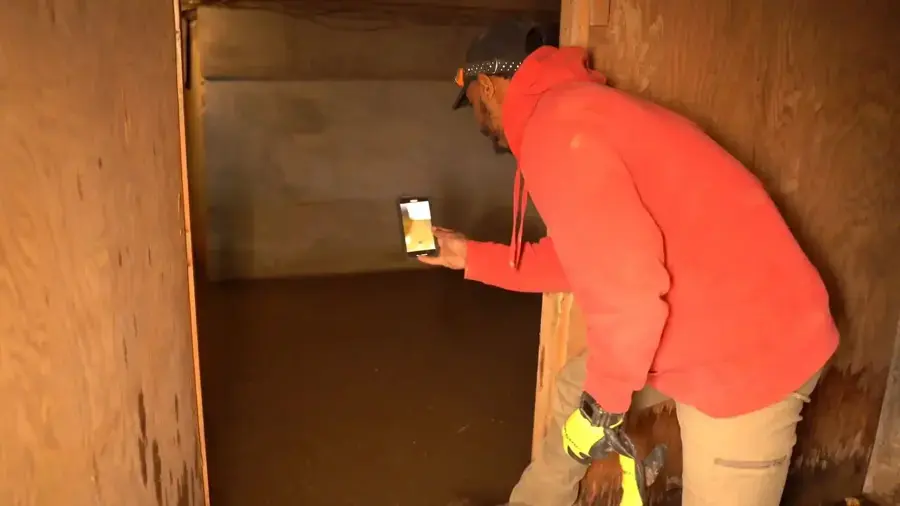
Runoff from creeks and heavy storms carries silt into garages and lower levels, which calls for removal, cleaning and treatment.
Storm and Flash Flood Cleanup details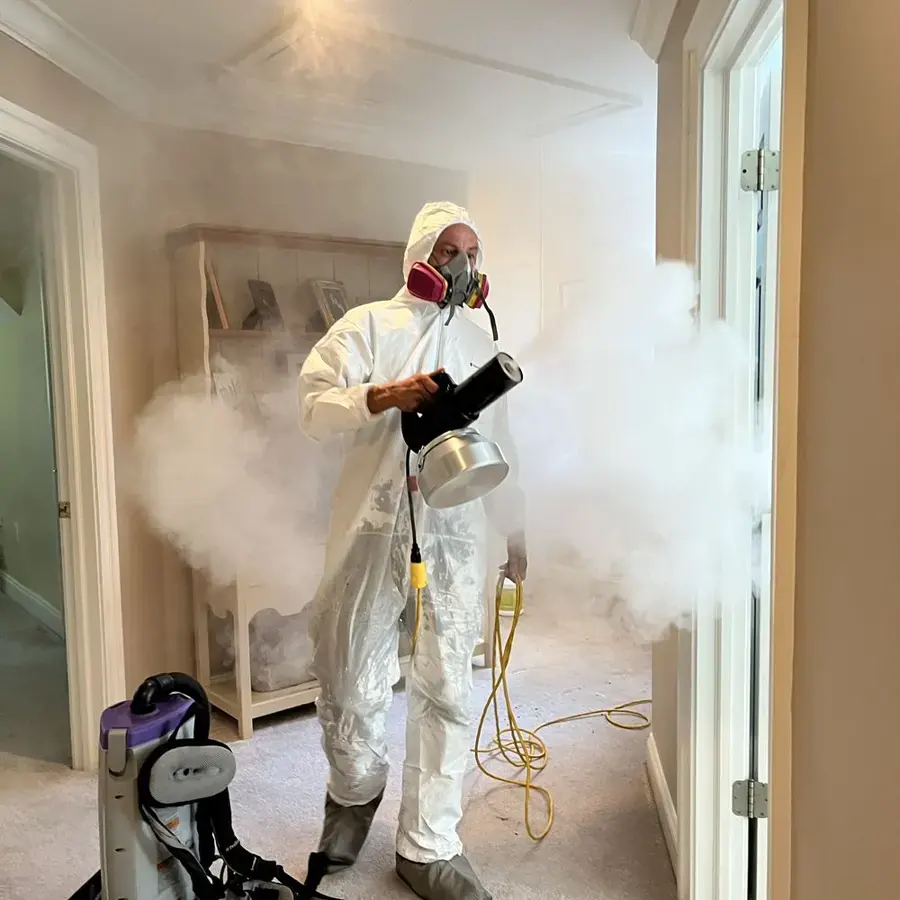
Sewage Backup Cleanup
Sewage in a home is contaminated water, so affected materials are removed and surfaces are treated under containment.
Sewage Backup Cleanup details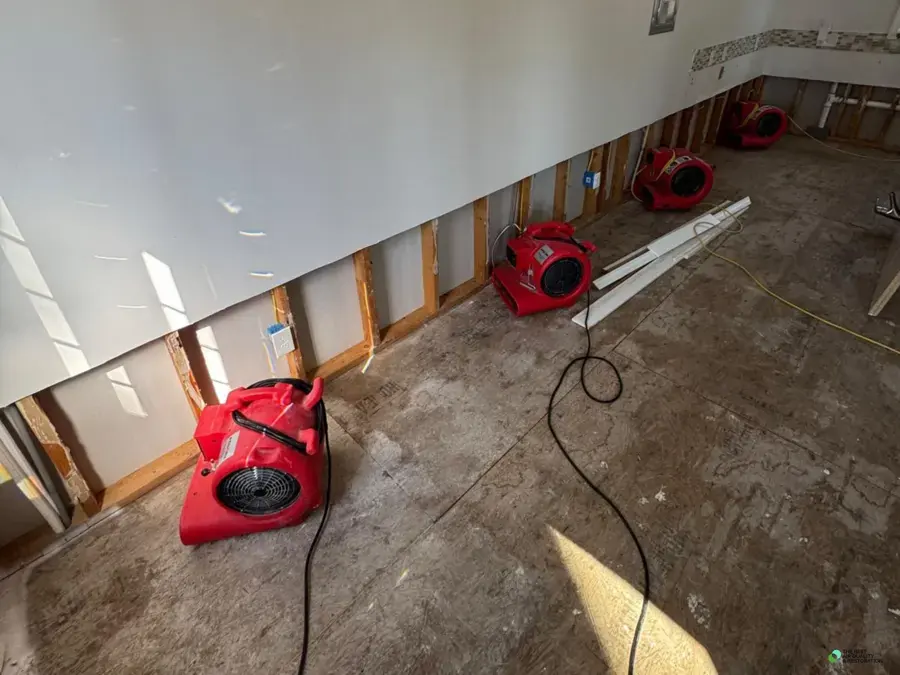
Structural Drying and Dehumidification
Air movers and dehumidifiers run on wet framing, subfloor and drywall until moisture readings return to normal levels.
Structural Drying and Dehumidification detailsA crew that treats the structure, not just the water
Poolesville properties mix newer subdivisions with older houses near the historic district, so each job starts with moisture mapping instead of assumptions. The crew extracts, opens only what readings justify and keeps photos for the insurance file. Details on water extraction are on its own page.
Calls answered around the clock
Water does not wait for business hours, so help is available at night, on weekends and during storms, and a crew is arranged for the Poolesville address.
Town water, house plumbing
Poolesville runs its own water and sewer, so the crew dries the structure while a plumber repairs the failed pipe or fixture inside the house.
Records for the claim
Photos, moisture logs and equipment notes are kept from the first visit, so the adjuster sees what was wet, what was removed and why.
Only what readings justify
Drywall and flooring come out when meters show they cannot dry in place, which keeps demolition limited and the rebuild smaller.
Four things to do right after water appears
- 1
Stop the source
Shut the water valve at the fixture or the main, then switch off power to wet areas if the breaker panel is dry and safe to reach.
- 2
Move what can move
Lift small furniture, rugs and boxes onto dry surfaces, and leave heavy items alone. Wet carpet and soaked drywall should stay put until the crew checks them.
- 3
Photograph the damage
Take wide and close photos of every wet surface and damaged item before anything is lifted, and note when the water first appeared.
- 4
Call the insurer
Report the loss to the insurance company soon after it starts, and keep receipts for any emergency purchases such as a wet vac or fans.
Three kinds of water, three kinds of response
Clean water
A failed supply hose or split pipe releases clean water at first, but it turns worse the longer carpet, pad and drywall stay wet. Fast drying often saves the materials.
Burst pipe cleanupGray water
Dishwasher and washer discharge carries soap and food residue. It is handled with gloves and cleaning before drying, since the water is no longer clean.
Appliance leak workBlack water
Sewage and creek flooding carry harmful contamination. Porous materials are removed, the area is contained and surfaces are treated before any drying equipment goes in.
Storm flood cleanupWhat water damage work costs in Poolesville
Cost depends on how much water there is, how many rooms are wet and what category it falls into. A small clean leak sits at the low end, while sewage or deep flooding sits at the top of the ranges below.
One room, clean supply water
Flooded lower level
Two floors affected
Sewage or flood water
Prices shift with how much has to be removed and how long readings show drying will take. A written estimate follows the moisture map, and what the policy pays depends on the insurer.
Drying finishes only when meters say so
Structural drying follows moisture readings, not the calendar. The crew sets air movers and dehumidifiers, checks the same spots again on later visits and lifts the equipment only when wet materials reach normal, dry readings. Read more about structural drying and dehumidification.
- 1
Survey the loss
Meters and a thermal camera trace water into walls and floors, and the wet area is marked so the work stays inside it.
- 2
Pull out the water
Truck mounted and portable extractors remove standing water from floors and carpet, which cuts the drying load before equipment is placed.
- 3
Remove and clean
Materials that cannot dry, such as soaked pad or swollen drywall, are cut out, and surfaces that stay are cleaned and treated.
- 4
Run the equipment
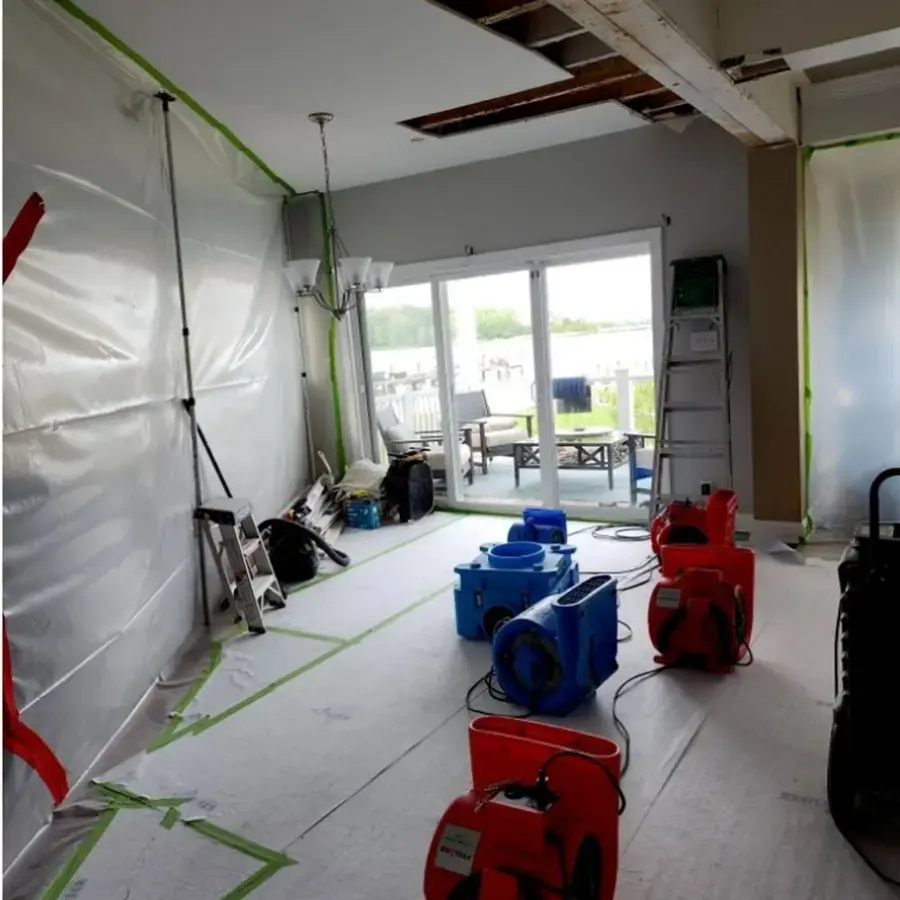
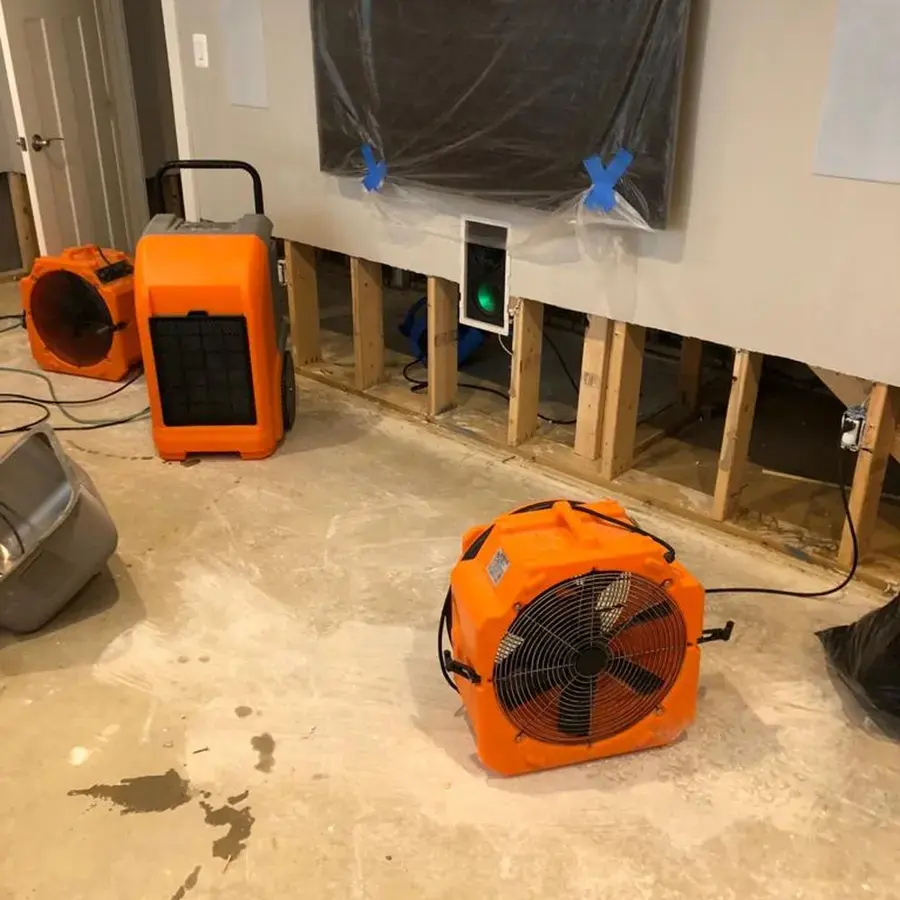
Air movers push air across wet surfaces while dehumidifiers pull moisture out of the room, and wall cavities are dried as needed.
- 5
Confirm and record
Final readings are compared with dry reference points, and the moisture log, photos and equipment notes go into the claim file.
Records an adjuster can use
Adjusters pay on what they can see and verify, so the file is built while the work happens. Each step is recorded with dates, readings and photos of the loss.
What the claim file carries
- Dated photos of every wet room and every damaged item, taken before cleanup begins
- Moisture readings logged at every visit
- A list of materials removed and the reason for each
- Equipment types and the days each unit ran
- Receipts for emergency repairs and any plumber invoice
What the homeowner can do
Start a notes file right away: when the water was found, what caused it and which rooms were wet. Keep damaged samples, such as a piece of failed hose, until the adjuster has seen them.
Read the policy for water and sewer backup wording, because coverage for sewage and groundwater is often a separate endorsement. Ask the insurer what must be documented before repairs begin. Note the deductible too.
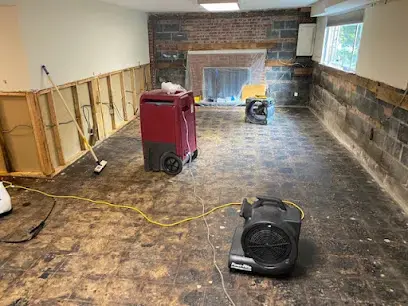
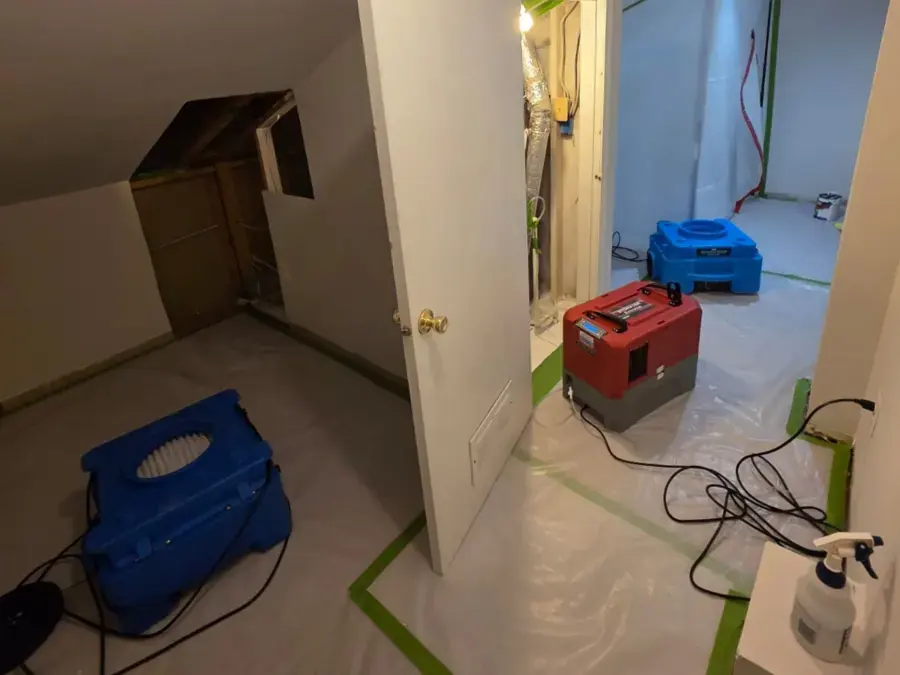
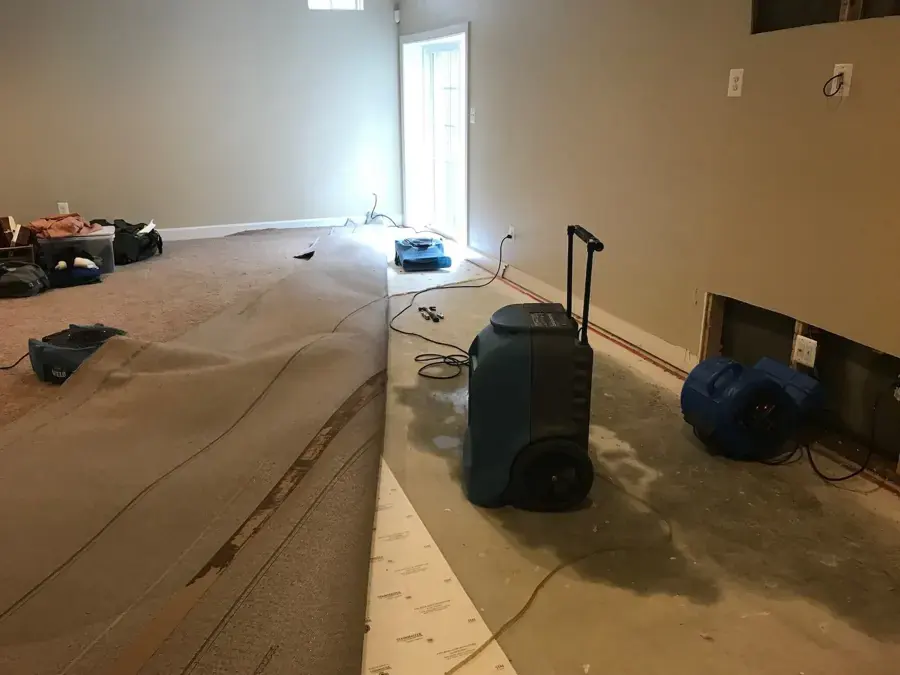
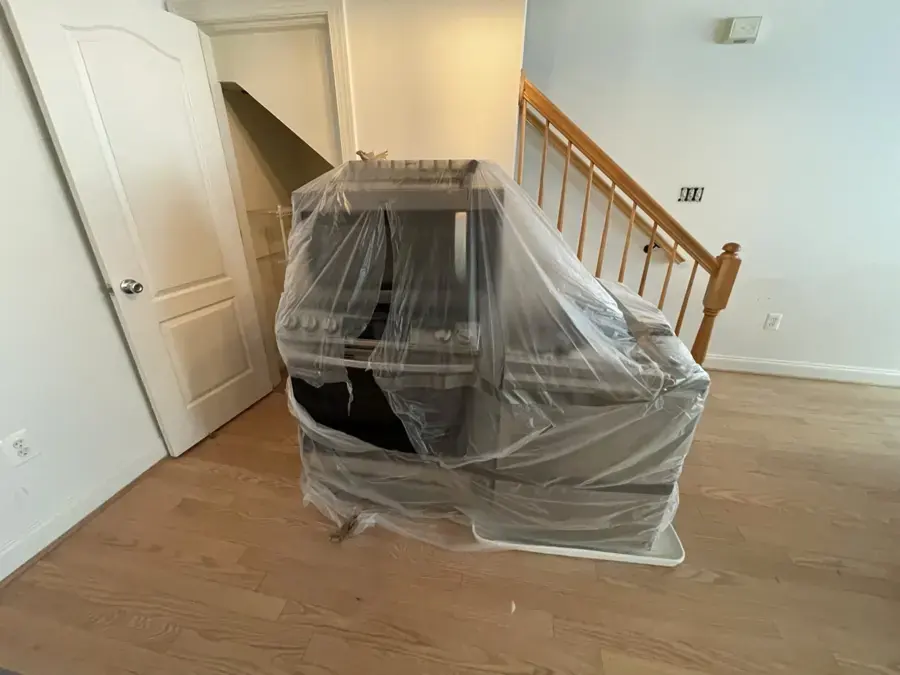
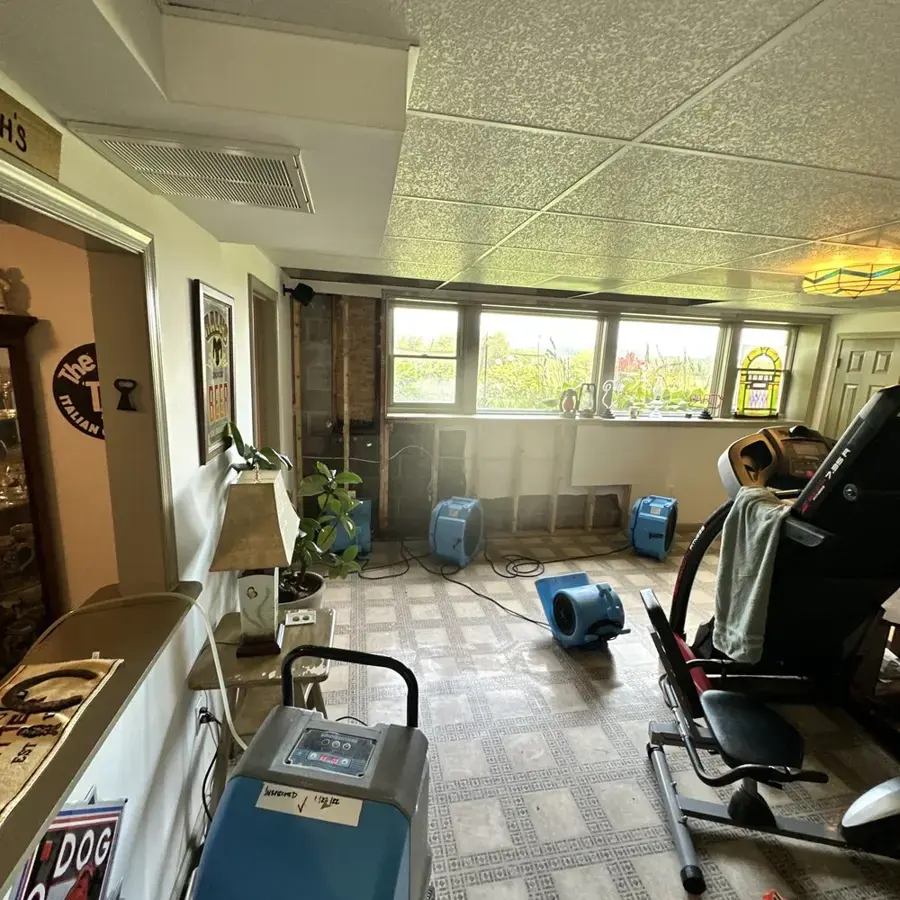
Drying equipment at work in Poolesville homes
Where crews work in and around Poolesville
Poolesville neighborhoods and corridors
ZIP code
Nearby towns
Other Poolesville addresses and nearby areas
Crews also work at other Poolesville addresses and across the western part of Montgomery County. Share the street and the kind of water, and the dispatcher confirms coverage.
(888) 535-8182Ask about a Poolesville addressPoolesville, MD · [email protected]
What puts Poolesville homes at risk
Poolesville sits among four small creek watersheds and relies on town wells, so rain, wind and cold each bring a different kind of water problem to local homes.

December 1996: Seneca Creek flooded state route 28 southeast of Poolesville after near record rain, a reminder that creek runoff can reach roads and low ground in the area.
Four watersheds
Horsepen Branch, Broad Run, Dry Seneca Creek and Russell Branch drain the town, so heavy rain can send runoff toward low yards and foundations.
Storm winds
The September 2004 F1 tornado damaged structures and snapped trees near Poolesville, and wind that opens a roof lets rain reach insulation and ceilings.
Pump and power failures
Where a home has a sump pump, a failure during a storm or outage lets groundwater rise across the floor.
Winter freezes
Pipes in outside walls, garages and unheated spaces split in a hard freeze, and the water appears when the pipe thaws.
Newer homes going up
Ferry Crossing, Poolesville Crossing, Estates at Hartz Farm and Grace Cottages are new housing projects, and new supply hoses and fittings fail like any others.
Town sewer and water
The town runs its own sewer, with 5 pump stations, and town operators answer main sewer clogs, but sewage that reaches a house still needs contained cleanup.
Poolesville water damage questions
Does Poolesville or a restoration company fix a broken pipe?
Pipes inside the house are the owner's to repair, usually with a plumber. The restoration crew extracts water and dries the structure, while the town's water and sewer department handles town mains.
Is Poolesville water supplied by WSSC Water?
No. The Town of Poolesville runs its own water and sewer systems, with drinking water pumped from town wells. WSSC Water does not serve the town. A failed pipe inside a house is handled as a plumbing and drying job.
What should be done first when a basement floods after heavy rain?
Stay out of standing water near electrical outlets, shut off power to the area if it is safe, and photograph the damage. Extraction should begin quickly, and the basement flooding page explains the steps.
What if a sump pump stops working during a storm?
Check that it has power and that the float moves freely, then remove the water and call for extraction. Water that sits in carpet or drywall keeps spreading, and sump pump failure work targets that wicking.
How does sewage in a house get handled?
Sewage is treated as contaminated water. The area is contained, porous materials are removed and surfaces are treated, as described on the sewage backup cleanup page. Residents should stay out until the work is done.
What happens after a pipe freezes and splits?
Water usually shows up when the ice thaws, so the valve is shut first, the wet area is dried and any open wall or ceiling is checked. Details are on the frozen pipe page.
Does storm damage near creeks count as flood cleanup?
Yes. Runoff from Dry Seneca Creek or the other watersheds can carry silt and bacteria into garages and lower levels, and storm flood cleanup covers removal, cleaning and drying.
How long does the drying take?
Drying time follows readings, not a fixed schedule. A small clean leak dries faster than a soaked finished floor, and the crew checks moisture again before removing equipment.
Will insurance cover the damage?
Cause matters. Sudden failures of pipes and appliances are often covered, but groundwater seepage and sewer backup are commonly excluded or limited, so the insurer should be asked early.
When is a roof leak a water damage job?
When rain has reached insulation, ceilings or walls. The roofer fixes the opening, and the drying crew handles the wet materials, as the roof leak page explains.
Water in a Poolesville home right now?
Describe what happened and where the water is, and the dispatcher arranges a crew and explains the first steps.
Get the water out and the drying started
Tell the dispatcher what happened and where, and a crew is arranged to extract, dry and document the loss.
(888) 535-8182Request help for Poolesville