Basement Flooding Cleanup in Poolesville
When heavy rain or creek runoff pushes water into a Poolesville basement, the first job is getting it out. Then wet carpet, drywall and stored items are sorted into what can dry and what cannot.
(888) 535-8182Request basement water removal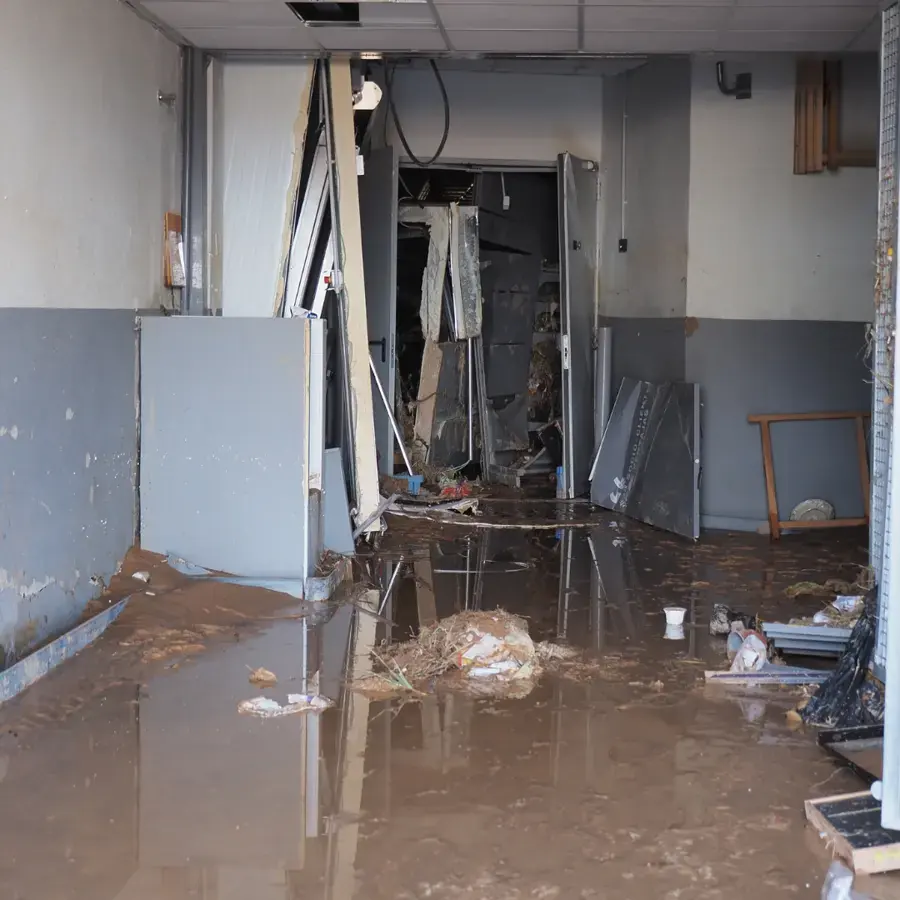
First steps for basement flooding cleanup in Poolesville
- 1
Check before entering
Stay out of a flooded basement until its power is off, since water and electricity are a dangerous mix. Call an electrician if the panel itself is wet.
- 2
Stop adding water
Move downspouts away from the wall, clear a window well if it is safe, and shut the water supply if a pipe or appliance is the source.
- 3
Save what is dry
Carry boxes, electronics and papers upstairs, and prop furniture on blocks or foil to keep stain from the wet floor. Leave heavy items for the crew.
- 4
Record the damage
Photograph the water level on walls, the wet items and any visible cracks or leaks, then write down what happened and when.
How basement flooding cleanup is handled in Poolesville
Poolesville homes sit among four creek watersheds, and a long soaking rain can leave a basement with an inch of water or a foot. Either way the work follows the same order: extract, sort what can dry, clean, and dry the structure while moisture readings steer each decision.
Before a single fan goes down, the tech who does the walkthrough takes readings in the wet room and the rooms around it, so the drying plan matches what is actually wet. The drying team pulls equipment on readings, not on how a wall looks.
What does basement flooding cleanup cost in Poolesville, MD?
Basement jobs range from a few thousand dollars for clean seepage to far more when outside flood water is involved. Water category and finished materials drive the number.
Unfinished floor, clean seepage
Finished basement room
Flood water, Category 3
Ranges are typical, not a quote: category of water, square footage, material class and how fast drying started move the number most. Run the water damage cost calculator for a closer range.
The basement flooding cleanup process, start to dry
- 1
Pump out
Truck mounted units pull standing water from the floor and low spots.
- 2
Sort and cut
Wet pad, insulation and drywall are cut out where readings call for it.
- 3
Clean and treat
Surfaces are cleaned and wiped with antimicrobial solution before drying starts.
- 4
Dry and verify
Equipment runs until meters confirm the framing and floor are dry.
Where the water comes from
Rain does not always enter through a door. Groundwater can rise through the floor and cracks, runoff can seep through a foundation wall, and a window well can fill and spill inside. Knowing the path tells the crew whether the water is clean, gray or contaminated.
- Groundwater rising through the floor or the joint where floor meets wall, usually clean at first but carrying soil soon after
- Runoff seeping through a foundation wall after saturated ground from several rainy days
- A window well that fills and spills over, which puts water at the wall base
- A failed pump or a backed up drain that adds water from inside the house
What gets saved and what gets removed
Concrete, block and bare framing usually dry in place after a clean and an antimicrobial wipe. Carpet pad, insulation and wet drywall are different, because they hold water against wood and cannot always be saved. Flood cuts are made only as high as the readings show water has traveled.
Contents get the same sorting. Hard furniture and metal can be cleaned and kept, while upholstered pieces and cardboard boxes that sat in water are usually lost, and photographs of them go into the claim file before anything is thrown out.
Drying, testing and prevention
Air movers and dehumidifiers run in the closed basement while the crew rereads moisture in the wall base, framing and floor. Equipment stays until the numbers match dry reference points elsewhere in the house, not until a set number of days has passed.
Where a basement has a sump pump, the pit and pump are tested before the job closes so the next storm does not repeat the loss. Gutters and grading near the foundation are worth a look too.
Trade fact: Carpet that has been wet from groundwater is usually discarded, because groundwater carries soil and bacteria that cleaning cannot reliably remove from the fibers.
Basement flooding cleanup across Poolesville and nearby towns
Basement flooding calls come from across Poolesville, ZIP 20837, including homes near Ferry Crossing, Woods of Tama and the streets around Fisher Avenue and Wootton Avenue.
The same service nearby: basement flooding cleanup in Germantown, Gaithersburg, Herndon.
Water damage restoration in Poolesville · every town covered
Related water damage services in Poolesville
Basement Flooding Cleanup questions in Poolesville, MD
Is it safe to go into a basement with standing water?
Not until the power is off. Water can carry current from outlets and panels, and floodwater from outside can also carry bacteria, so waiting for the crew is the safer choice.
Does groundwater count as clean water?
No. Water that rose from the ground or came through a wall carries soil and microbes, so it is treated as contaminated and porous materials that soaked it up are removed.
Will the carpet be saved?
Sometimes, if the water was clean and the carpet is dried quickly. Carpet soaked by groundwater or flood water is normally discarded, and the pad under it almost always is.
Can the basement be left to dry on its own?
Rarely. Closed basements hold humidity, and wet drywall and framing can stay damp for a long time. Dehumidifiers and air movers with moisture checks are what confirm it is truly dry.
What does the town handle and what does the owner handle?
The Town of Poolesville runs the water and sewer systems. Water that entered a house, or a pipe failure inside it, is the owner's to clean up and repair.
Should water extraction happen before drying?
Yes. Pulling out standing water first shortens drying, which is why water extraction comes first, followed by structural drying.
Still dealing with it?
Wondering what to do about a wet basement?
A Poolesville basement dried properly
Describe the water, the rooms involved and when it began, and a crew will explain the next steps.
(888) 535-8182Send the basement details